ADAS Calibration in Pullman, WA

Professional recalibration of lane departure warning, automatic emergency braking, adaptive cruise control, and blind spot monitoring sensors. Included free with every windshield replacement. Serving the entire Palouse region.

ADAS camera and sensor mounted behind a vehicle windshield in Pullman WA

What Is ADAS? Advanced Driver Assistance Systems Explained

ADAS stands for Advanced Driver Assistance Systems. These are the safety technologies built into modern vehicles that help you stay safe on the road. If your car can warn you when you're drifting out of your lane, automatically brake to avoid a collision, or adjust your cruise control speed based on traffic ahead, those features are powered by ADAS.

The most common ADAS features include lane departure warning, which alerts you when your vehicle begins crossing lane markings without a turn signal. Automatic emergency braking detects obstacles ahead and applies the brakes if you don't react in time. Adaptive cruise control maintains a safe following distance by automatically speeding up and slowing down with traffic. Blind spot monitoring warns you when a vehicle is in your blind spot during a lane change. Forward collision warning provides an alert when you're approaching another vehicle too quickly.

All of these systems rely on a small but powerful camera mounted directly to the inside of your windshield, usually behind the rearview mirror. Some vehicles also use radar sensors in the front bumper or grille, and lidar sensors in higher-end models. The windshield-mounted camera is the most common and the most critical. It continuously scans the road ahead, reading lane markings, detecting vehicles and pedestrians, interpreting traffic signs, and measuring distances.

If your vehicle was manufactured in 2015 or later, it almost certainly has at least some ADAS features. By 2023, automatic emergency braking became standard on over 95% of new vehicles sold in the United States. Many drivers don't even realize how many of their daily safety features depend on that small camera behind the glass.
Why ADAS Recalibration Is Critical After Windshield Replacement

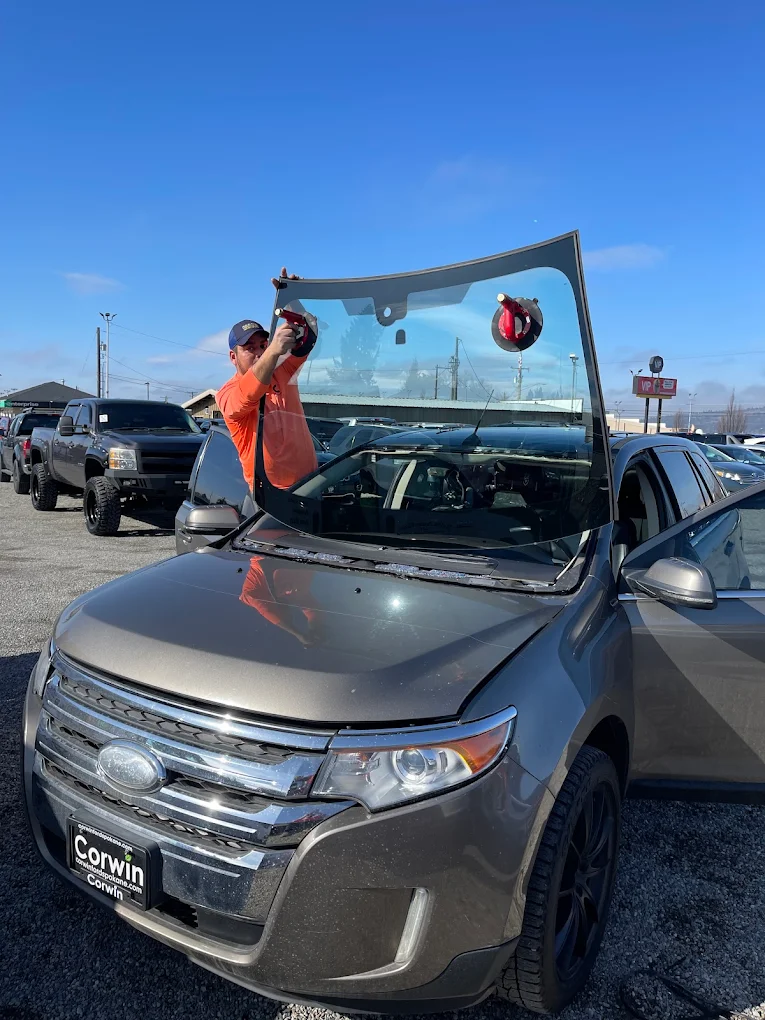
Your ADAS camera is physically bonded to your windshield. When the old windshield is removed and a new one is installed, the camera must be detached and then remounted. Even with the most careful installation, the camera's position will shift slightly. The new glass has microscopic differences in thickness, curvature, and optical clarity compared to the original. These tiny variations change how the camera sees the road.

The consequences of an uncalibrated ADAS system are serious. A misalignment of just one degree in the forward-facing camera can translate to an error of several feet at highway distances. That means your lane departure warning could trigger when you're perfectly centered in your lane, or worse, fail to trigger when you're actually drifting. Your automatic emergency braking could activate late, or not at all. Adaptive cruise control could misjudge the distance to the vehicle ahead.

The National Highway Traffic Safety Administration (NHTSA) has emphasized the importance of proper ADAS calibration after any windshield replacement. The Auto Glass Safety Council (AGSC) recommends that every vehicle with a windshield-mounted camera undergo a full recalibration following glass replacement. These are not suggestions. They are safety guidelines backed by crash data and engineering research.

Despite these recommendations, many auto glass shops skip the calibration step entirely. Some don't have the equipment. Others don't have the training. And some simply cut corners to save time and keep costs low. The result is thousands of vehicles on the road with safety systems that look active on the dashboard but are not working correctly. The driver has no warning that anything is wrong until the moment they need those systems most.

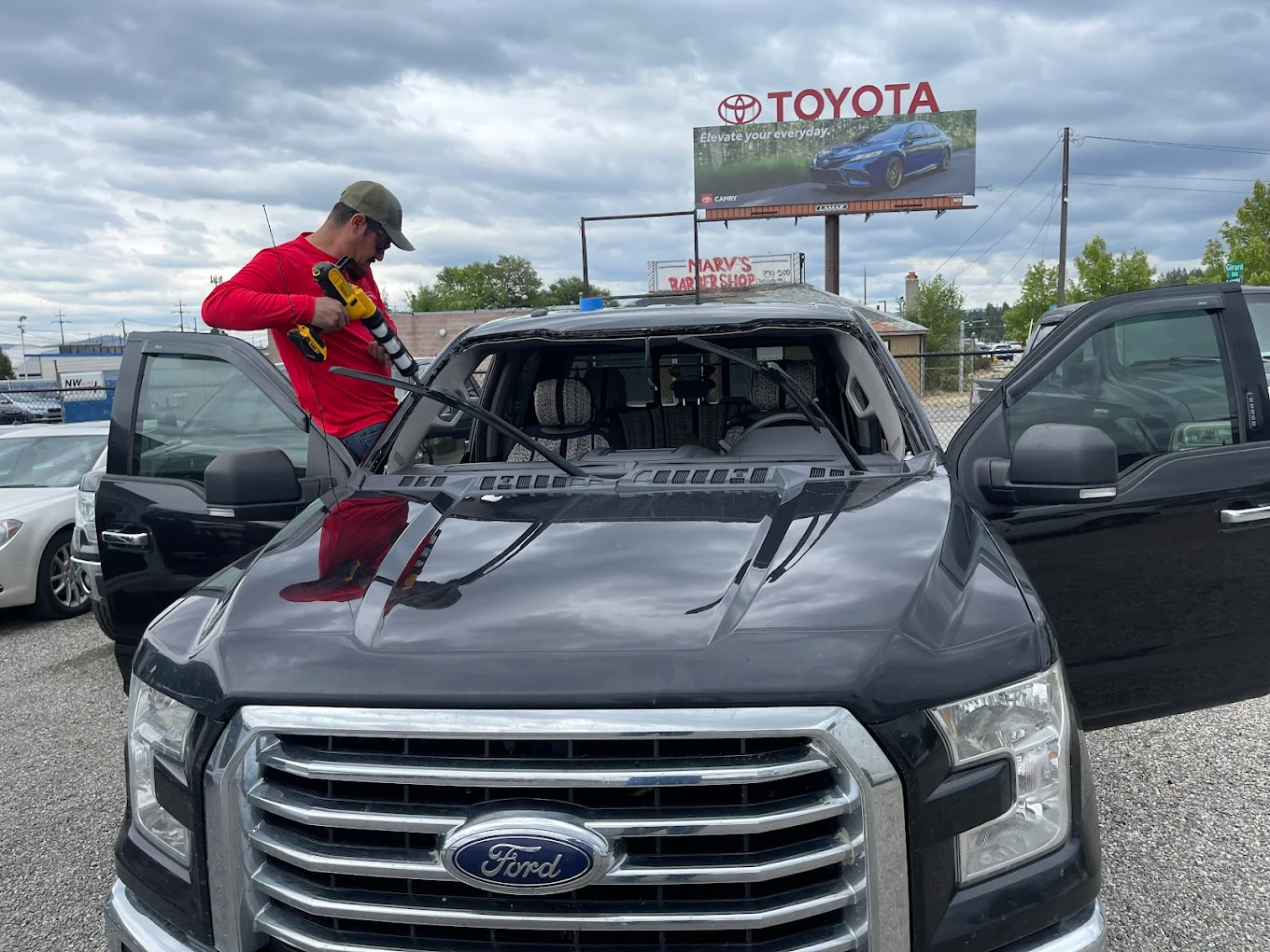
Technician removing windshield from Ford F-150 before ADAS recalibration
Static ADAS calibration setup with targets and alignment equipment

Types of ADAS Calibration: Static vs. Dynamic

There are two main types of ADAS calibration, and understanding the difference matters because your vehicle may require one or both. The type of calibration needed depends on your vehicle's make, model, and year, as well as which ADAS features are installed.

Static calibration is performed in a controlled indoor environment. The vehicle is parked on a level surface, and specialized targets are positioned at precise distances and angles in front of the camera. Calibration software communicates with the vehicle's computer to guide the camera through a series of alignment checks. The targets give the camera known reference points so the system can verify and correct its aim. Static calibration is the most common type and is required by manufacturers like Toyota, Honda, Subaru, Mazda, and many others. It requires significant investment in equipment and training, which is one of the reasons many shops cannot offer it.

Dynamic calibration is performed while driving the vehicle at specific speeds, typically between 30 and 60 miles per hour, on roads with clearly visible lane markings. During the drive, the ADAS system recalibrates itself by reading the road environment in real time. Some vehicles, particularly those from BMW, Mercedes-Benz, and certain Volkswagen and Audi models, require dynamic calibration. A few manufacturers require both static and dynamic calibration to complete the process.

At New Delta Auto Glass, we handle both static and dynamic calibration. We have the professional-grade equipment and manufacturer-specific software needed for static calibration, and we perform dynamic calibration drives when your vehicle requires it. Every calibration is verified against factory specifications before we hand back your keys. We don't guess, and we don't skip steps.

Why Most Auto Glass Shops Skip ADAS Calibration

ADAS calibration requires specialized equipment that costs tens of thousands of dollars. The targeting systems, diagnostic tools, and manufacturer-specific software represent a major investment that many shops, especially mobile-only operations and franchise locations, have not made. Without this equipment, they simply cannot perform the calibration even if they wanted to.

Beyond the equipment, ADAS calibration demands specialized training. Technicians need to understand the calibration requirements for hundreds of different vehicle makes and models, each with different camera types, mounting positions, and software protocols. This is not something that can be learned in an afternoon. It requires ongoing education as automakers release new vehicles with updated systems every year.

National chains and discount auto glass providers often prioritize speed and volume over thoroughness. Their business model depends on completing as many installations as possible per day. Adding a proper ADAS calibration to each job takes additional time, and offering it free would cut into their margins. So most charge an extra $150 to $300, and some don't mention it at all. They install the glass, reset the dashboard warning light, and send you on your way. The warning light is off, so everything appears normal, but the camera has not actually been recalibrated.

At New Delta, we include ADAS calibration free with every windshield replacement because we believe your safety systems should always work the way they were designed to. We invested in the equipment and training because it's the right thing to do. When you drive away from a New Delta windshield installation, every camera and sensor has been tested and verified. Safety should never be an upsell.

Windshield installation on Ford Edge requiring ADAS calibration

Questions

ADAS Calibration FAQ

ADAS stands for Advanced Driver Assistance Systems. Calibration is the process of realigning the cameras and sensors behind your windshield after a replacement. This ensures your lane departure warning, auto-braking, and adaptive cruise control work correctly.
If your vehicle was made in 2015 or later, it very likely has ADAS features. Look for features like lane keep assist, forward collision warning, automatic emergency braking, or adaptive cruise control in your owner's manual. When in doubt, call us with your year, make, and model.
Your ADAS camera is mounted to the windshield. When the windshield is replaced, the camera position changes slightly. Even a 1-degree shift can cause your safety systems to misread the road. Recalibration ensures everything is aligned to factory specs.
Most do not. National chains typically charge $150-$300 extra for ADAS calibration, and some skip it entirely. New Delta includes it free with every windshield replacement because we believe your safety systems should always work correctly.

Need ADAS Calibration?

Included free with every windshield replacement. Protecting your safety systems is what we do.

(509) 463-6699

Call or text anytime

Call Now Get Quote